
Preparing your home for your new cat or kitten

Introducing your new cat or kitten to your home in a thoughtful and peaceful manner will set them up for ongoing success. Ensure you have decided on a designated space where the cat or kitten will be confined for at least the first few days, or longer depending on observed behaviour. Make sure you have organised litter, food, water and toys. A scratching post or box is a great idea too.
Litter
Be sure to keep the litter box and surrounding area clean, and scoop the litter at least daily. The litter should be completely changed in the boxes regularly. Cats and kittens may avoid a litter box area that isn’t clean so ensure you stay on top of it. Your cat’s foster carer will tell you what type of litter they have been using. If you would like to change, do so gradually by adding a little bit of the preferred litter to the old type, slowly increasing the amount with each litter change. Avoid ‘clumping’ or crystal litter for young kittens, as they explore with their mouths. Paper litter is the safest.
Food
Your foster carer will advise what type of food your kitten has been eating. Continue this for at least a week and gradually change it to your preferred food by mixing the 2 types together. You might find that your cat doesn’t have much of an appetite on arriving at your house. This is usually due to nerves and is not a cause for concern. Offer food at consistent times each day and remain relaxed with meal times. They will eat when they are ready.

Collar and Tag
It is a requirement of Shelly’s Place Animal Rescue that all adopted pets wear a collar and tag with at least 2 phone numbers. The first few weeks are the time that cats and kittens are most likely to escape and become lost. A break-away collar with reflective material will offer additional protection if kitty is lost at night.
Emergency plan
Do you have an emergency plan if something goes wrong unexpectedly? Find a vet you really like and respect. You are seeking their expert opinion so you need to trust them. There are many veterinarians in practice, so if you feel uncomfortable about something, talk to your vet, and if it doesn’t feel right to you, then get another opinion. You should see your vet at least once a year for vaccines and a routine dental check. Know in advance where your closest 24 hour emergency vet is. You don’t want to be looking up those details in the middle of a crisis.
Transitions
Moving to a new forever home is a big deal. Be patient, supportive and observant to your kitty’s needs. Your new cat or kitten may experience any one or several of the following reactions to moving into a new home. They might:
- hide for a few hours, days or weeks. This is their natural way of coping with stress and seeking security. Never pull or drag your cat out of their hiding place as they may develop a sense of mistrust at being forced to face what they feel is an unsafe situation. Instead try enticing them out with a high value treat, or let them be until they get hungry at dinner time.
- have toileting accidents. The stress of a new environment may cause kitty to miss their litterbox. Make sure they know where the box is and there no obstructions in the way. Keep them contained for a longer period of time until they are successful. If kitty continues to have accidents, you should have him or her seen by a vet to rule out a UTI or other medical problem.
- become an escape artist. It is important to exercise extreme diligence to ensure the safety of the cat or kitten, especially in the first few weeks. Ensure all doors and windows are closed, and children and visitors are reminded not to let the cat out.
Introductions

Introductions to other pets should happen slowly, calmly and on their terms. Be patient with this process as gradual introductions can help to prevent fearful and aggressive problems from developing. Confine your new cat to one room with the litter box, food, water, and a bed.
Feed your resident pets and the newcomer on each side of the door to this room. This will help all of them to associate something enjoyable (eating!) with the other’s smells. Don’t put the food so close to the door that the animals are too upset by each other’s presence to eat. Gradually move the dishes closer to the door until your pets can eat calmly, directly on either side of the door. Next, use doorstops to prop open the door just enough to allow the animals to see each other, and repeat the whole process.
Swapping scents
Switch sleeping blankets or beds between your new cat and your resident animals so they have a chance to become accustomed to each other’s scent. Rub a towel on one animal and put it underneath the food dish of another animal. You should do this with each animal in the house.
Swapping living areas

Once your new cat is using the litter box and eating regularly while confined, allow them to have free time in the house while confining your other animals to the new cat’s room. This switch provides another way for the animals to experience each other’s scents without a face-to-face meeting. It also allows the newcomer to become familiar with their new surroundings without being frightened by the other animals.
When you feel all animals are ready for the next step, do short, supervised meetings, in a crate or carrier then increase the time and freedom based off of observed behaviour.
Avoid any interactions between your pets that result in either fearful or aggressive behaviour. If these responses are allowed to become a habit, they can be difficult to change. It’s better to introduce your pets to each other gradually so that neither animal becomes afraid or aggressive. You can expect mild forms of these behaviours, but don’t give them the opportunity to intensify. If either animal becomes fearful or aggressive, separate them, and start over with the introduction process in a series of very small, gradual steps, as outlined above.
If small spats do occur between your cats, you shouldn’t attempt to intervene directly to separate the cats, keep yourself safe from misdirected scratches and bites! Instead make a loud noise to separate the cats or throw a blanket over them. Then give them a chance to calm down before re-introducing them to each other another time. Make sure to avoid punishment. It won’t work and could make things worse. Finally make sure each cat has a safe hiding place.
Children and Cats
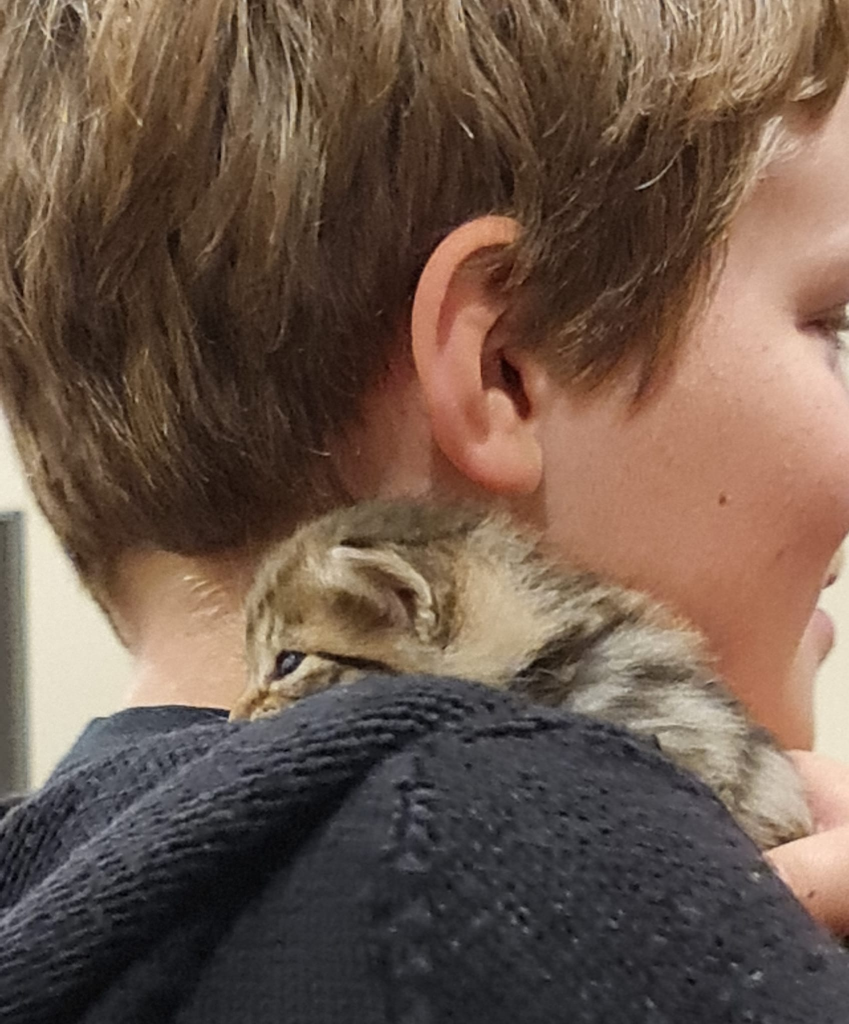
We do our best to match child-friendly cats with families with children. Still, it’s very important to slowly and gently introduce your cat to life with your kids. Your cat is in an unfamiliar place and may feel nervous. Caution is important until your new kitty settles in. Make sure you observe the behaviour of your kitty and give them the space and respect they need to feel comfortable in their new surroundings. If a child is scratched by a nervous kitty, it may be difficult for them both to build the trust again. So go slowly and calmly.
Kitten proofing
We suggest kitten proofing one room to start out; a place where the cat or kitten can’t get into too much mischief. This could be the bathroom or laundry or a kitty safe playpen or animal crate. As the new arrival proves that they are engaging in calm behaviours, you can gradually them more freedom. If they hide away in spaces, have accidents or get up to too much mischief, reset the boundaries. Make sure your doors and windows either have secure screens or sturdy latches and remain closed at all times. Don’t run the risk of your cat slipping out unnoticed. This is a disaster waiting to happen. Cats and kittens are notorious for chewing on things unexpectedly. Even many adult cats will check out their surroundings by tasting. Electrical and phone charger cords are particularly attractive to some cats, as are cords for blinds. Ensure that all cords are tied up or tucked away in a space inaccessible to your cat or kitten.
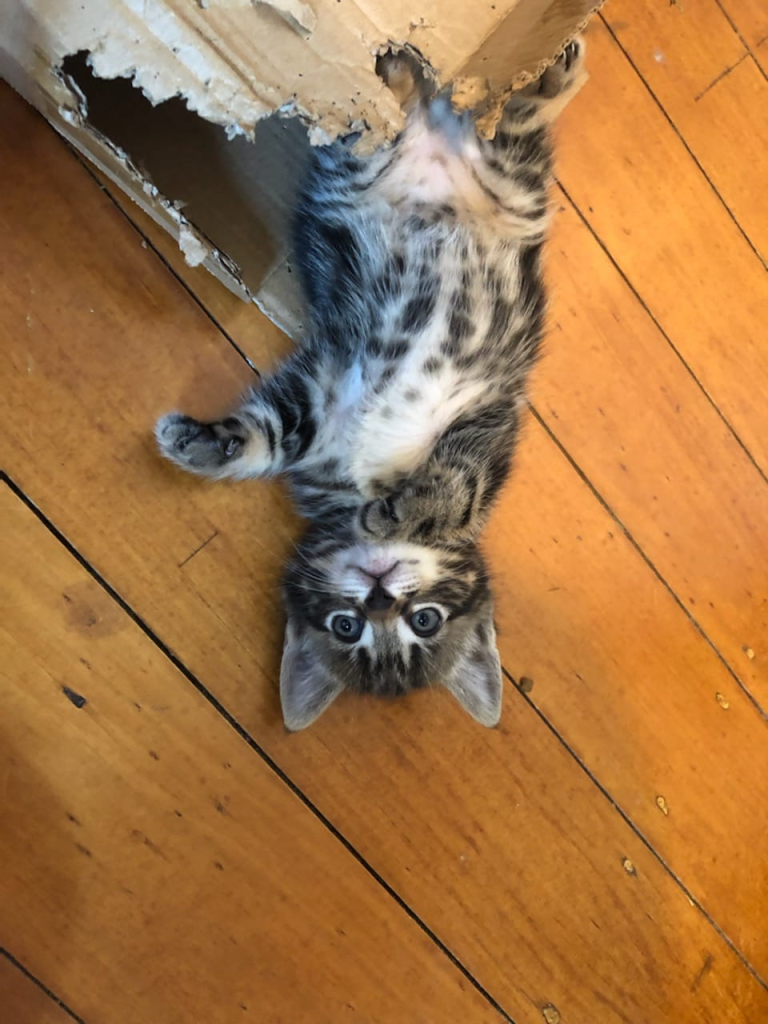
Cleaning supplies can have a very attractive smell or taste to a curious kitten, so ensure they are safely locked away. Look inside the dryer before closing the door, and keep it closed when not in use. Cats love to curl up in dark, quiet places, which can be a recipe for a disaster. Check that kitten is safe before leaning back in recliners or pulling out sofa beds. Kittens often climb into refrigerators, freezers, and dresser drawers, so check these, too, before closing them.
One decision every cat owner must make is whether or not their feline friend will be allowed outdoors. We recommend keeping cats and kittens indoors or in an approved cat run. Some people feel that keeping their kitties indoors isn’t fair or a natural environment for them. However, we must consider that the average life span of a totally outdoor cat is about 2-5 years, while a totally indoor cat is expected to live an average of 10-15 years. With plenty of attention and enrichment, most cats can live a long happy life as an indoor cat.
Poisonous Plants
Cats like to chew on grass and plants, inside and outdoors. But you’d be surprised by the number of plants that are irritating, dangerous, and even deadly to cats if eaten. Even non-poisonous plants can cause vomiting and diarrhea. Keep dangerous plants out of reach or, better yet, don’t have them in the house at all. If your cat enjoys chewing on plants, get a pot of cat grass. Below is a list of some of the most common Australian indoor plants that are toxic to cats. Please note that there are many more and if your kitty tends to eat plants you should research further.